


About
An artist-led
Trans-African project.
Invisible Borders is an artist-led Trans-African project founded in Nigeria in 2009. We work across artistic practice, travel, research, education and public exchange. Our projects bring together artists, writers, filmmakers, researchers, cultural practitioners, institutions and communities from different countries and contexts.
The Trans-African Road Trip is our flagship project and one of the foundations upon which Invisible Borders has developed. Alongside it, we produce exhibitions, workshops, publications, educational programmes, artistic collaborations and research projects.

Why we do it
Borders are a question
of the century.
We consider the question of borders one of the foremost preoccupations of the twenty-first century.
Our work is therefore an enactment: through lived experience and encounter, we explore and articulate the distances — geographical, political, social and imaginative — between peoples and places, seeking to transcend the illusion of separation and humanize borders.
Borders influence how people move, meet, collaborate and understand one another. We use artistic practice to create encounters across these divisions and to examine how inherited ideas of place, identity and belonging shape contemporary life.
The talk
Where the work
has come from,
and where it goes.

Plays from YouTube. Nothing is requested from YouTube until you press play.
“We live in times of a volatile negotiation between the past and the present. But the past is a colonial past, therefore the present is, globally, a postcolonial one.”
Emeka Okereke, TEDxPorto 2025
In this talk, delivered at TEDxPorto in 2025, Invisible Borders is articulated as a long-term artistic inquiry into movement, perception and the lived reality of borders. Drawing on over fifteen years of Trans-African journeys by road — within Africa, and extending into Europe and Asia — the project is presented not as a series of crossings, but as a sustained engagement with how borders shape bodies, relationships and ways of seeing, and how they function as sites of encounter as much as demarcation.
The talk traces how Invisible Borders uses travel, presence and encounter as artistic methods to question inherited colonial boundaries and the illusion of separation they produce. It reflects on movement as a generative force — one that reveals connection, vulnerability and shared humanity across difference.
It offers a lens into the ethos, questions and premises that animate the project, and is the most direct entry point to it: where the work has come from, and where it is going.
What we do
Five ways
the work takes shape.
Flagship project
Road Trips
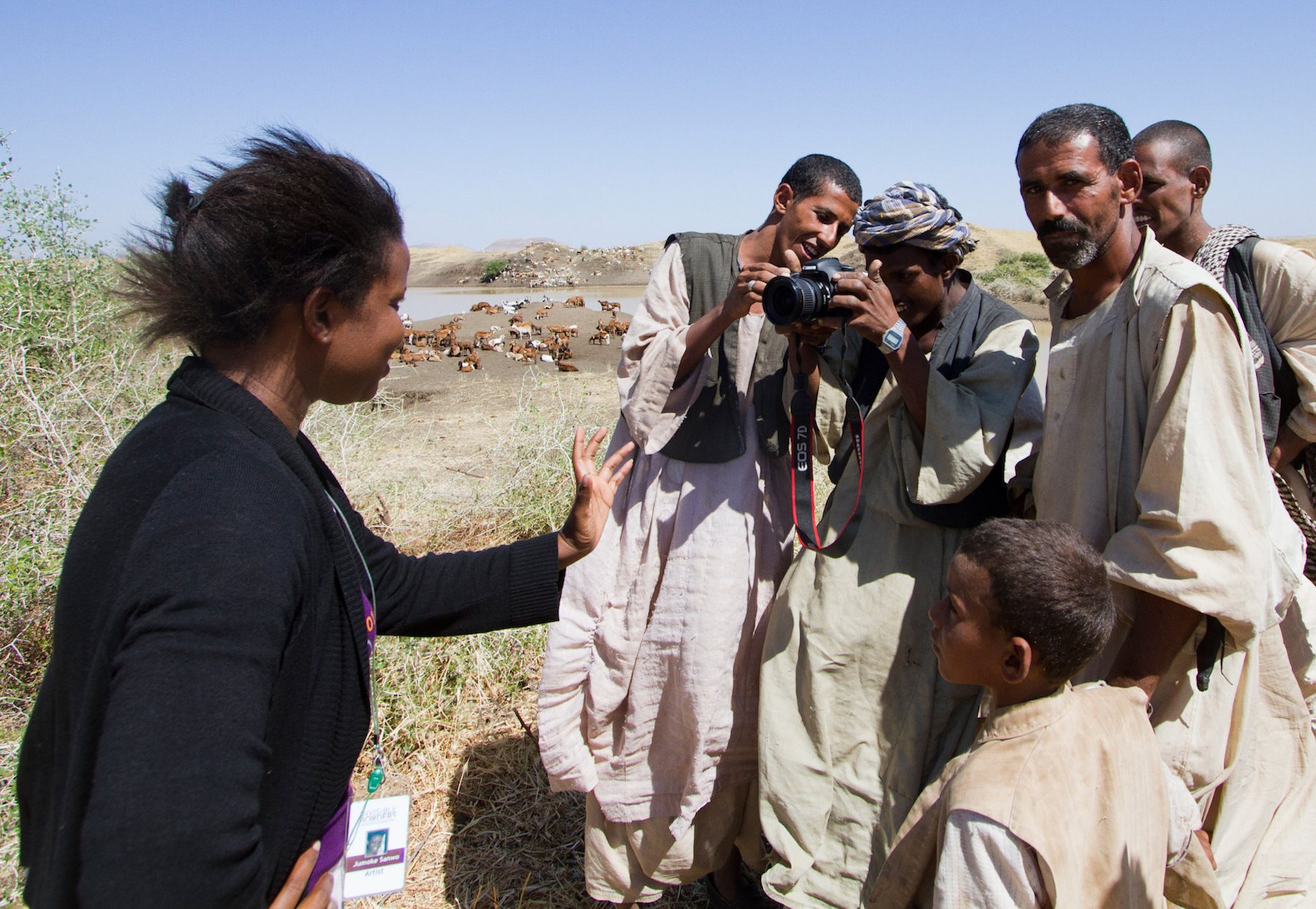
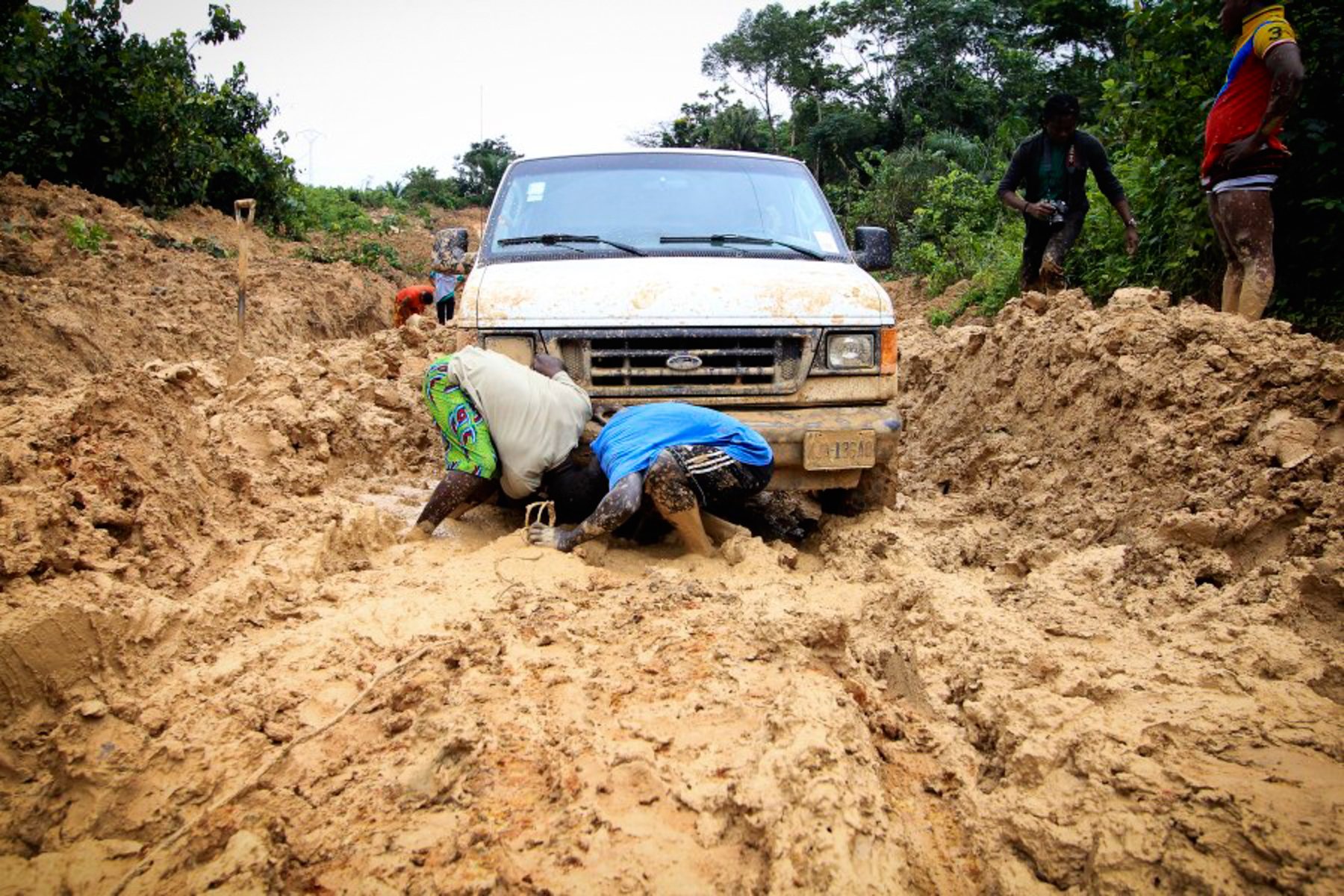
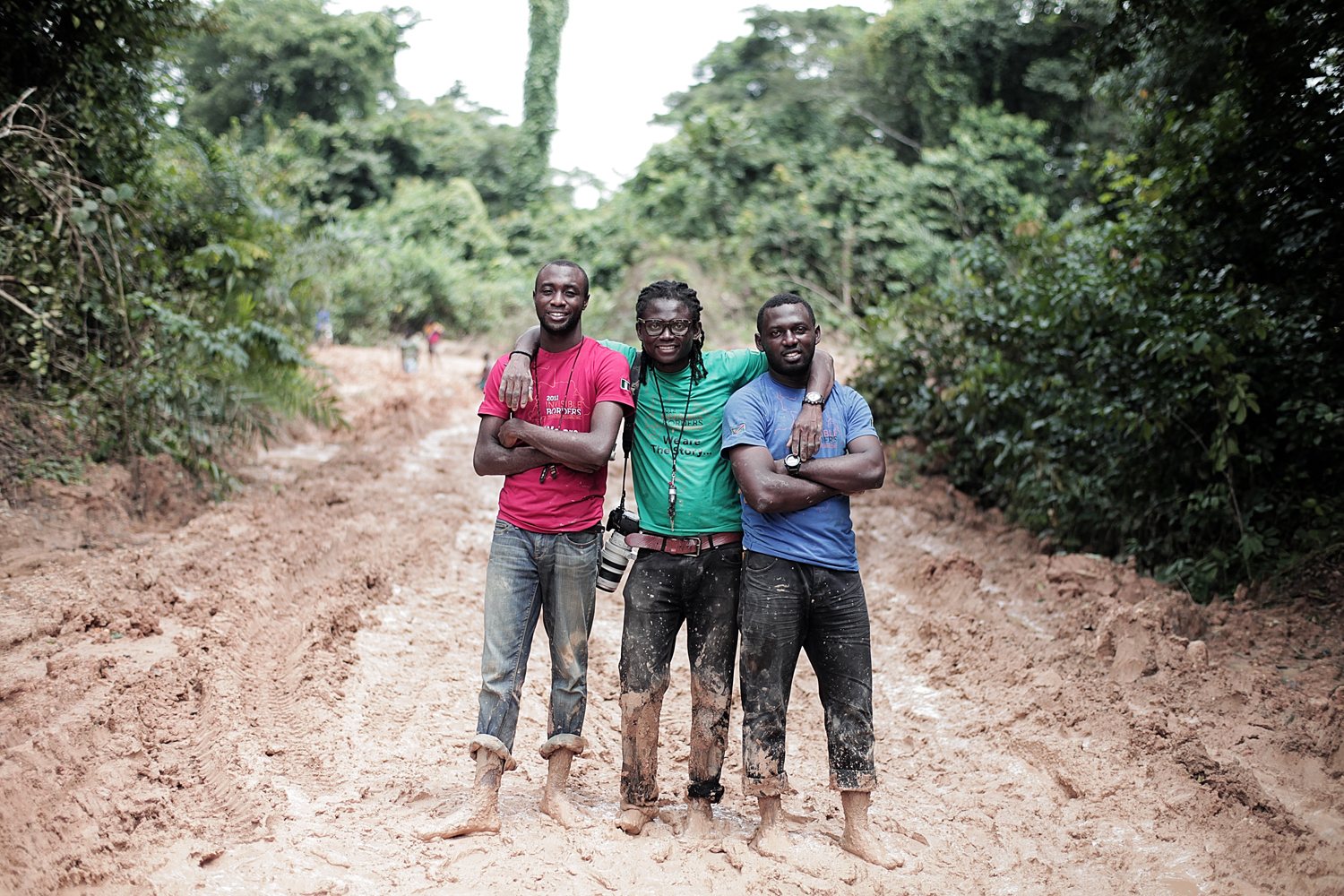
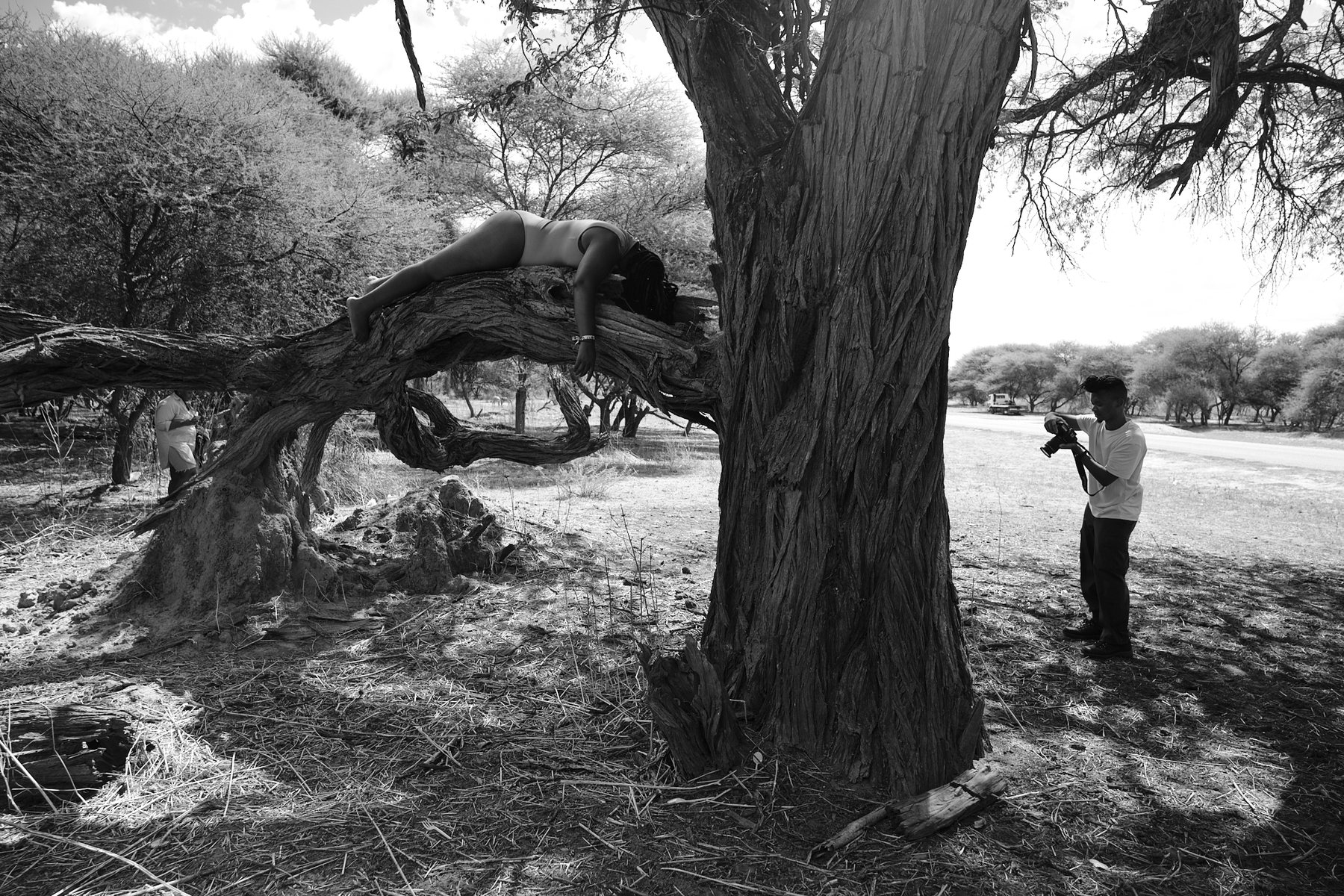
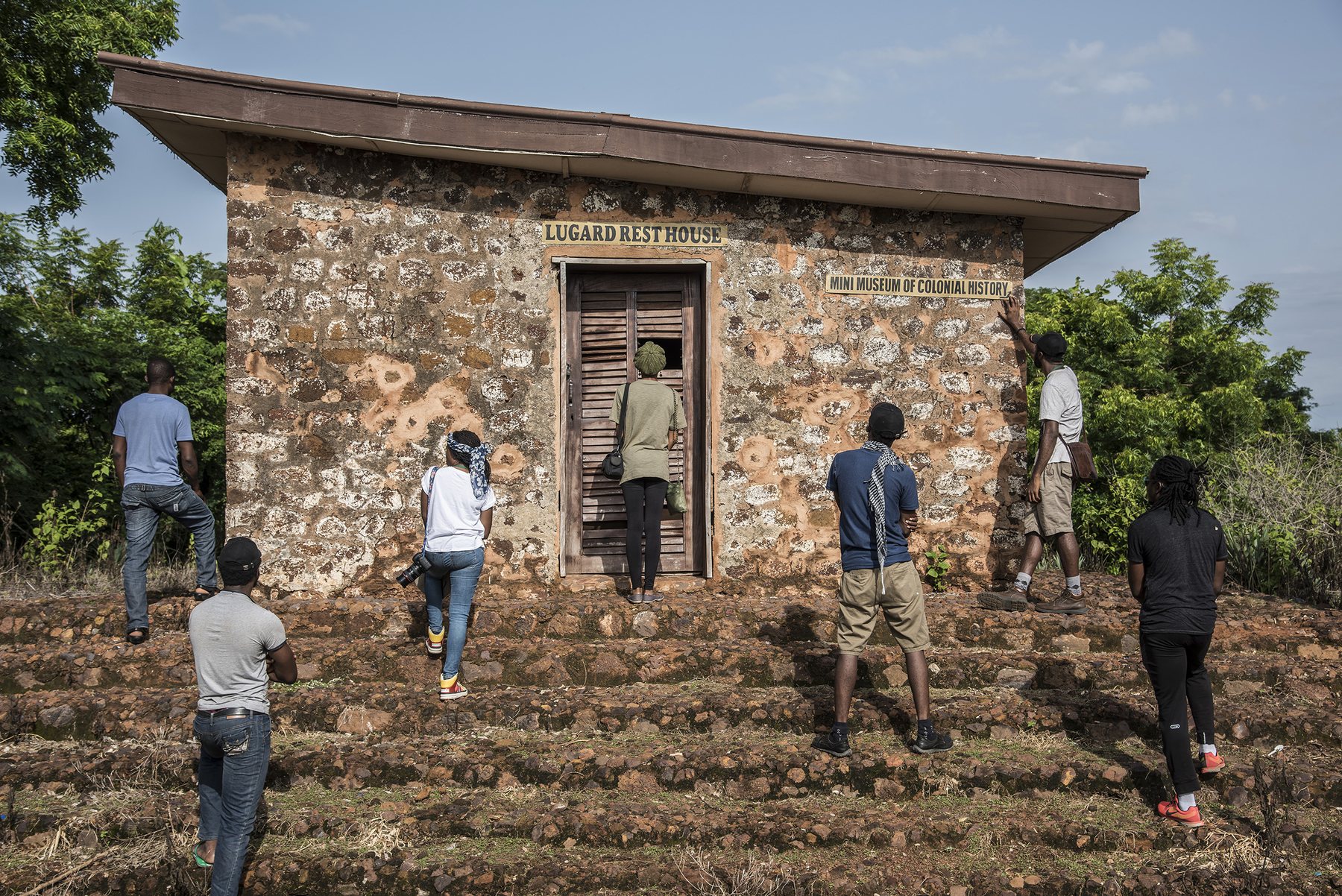
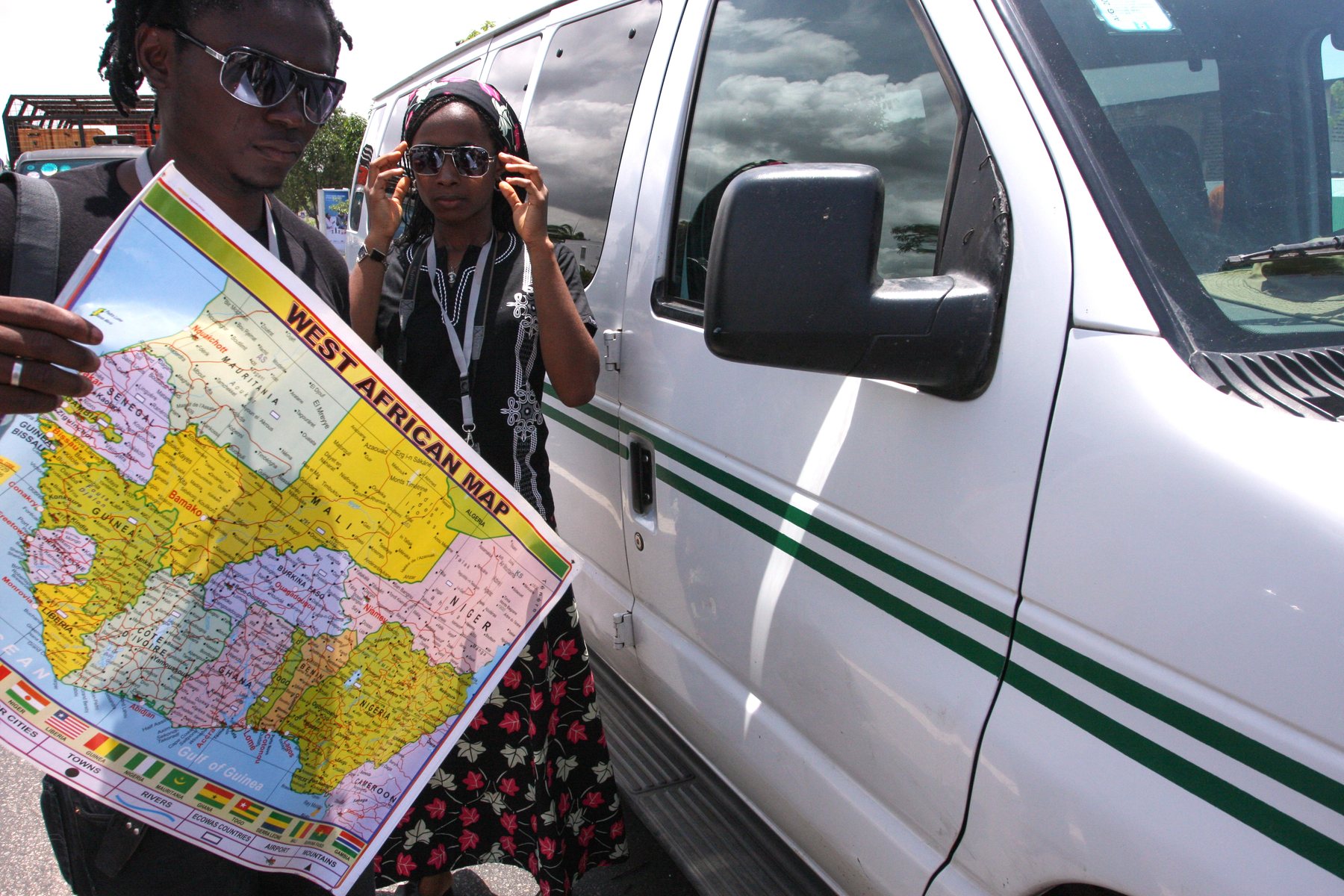
The Invisible Borders Trans-African Road Trip brings artists from different countries, disciplines and levels of experience together to travel across and within national borders.
Participants create work in response to the people, places and situations they encounter along the way. These journeys have generated photography, writing, film, sound, performance, workshops, public conversations and publications shared both during and after the trips.
The Road Trip is also a space for collective learning. Participants exchange knowledge, work alongside local artists and organisations, and develop relationships that often continue beyond the journey.
Exhibitions and artistic projects
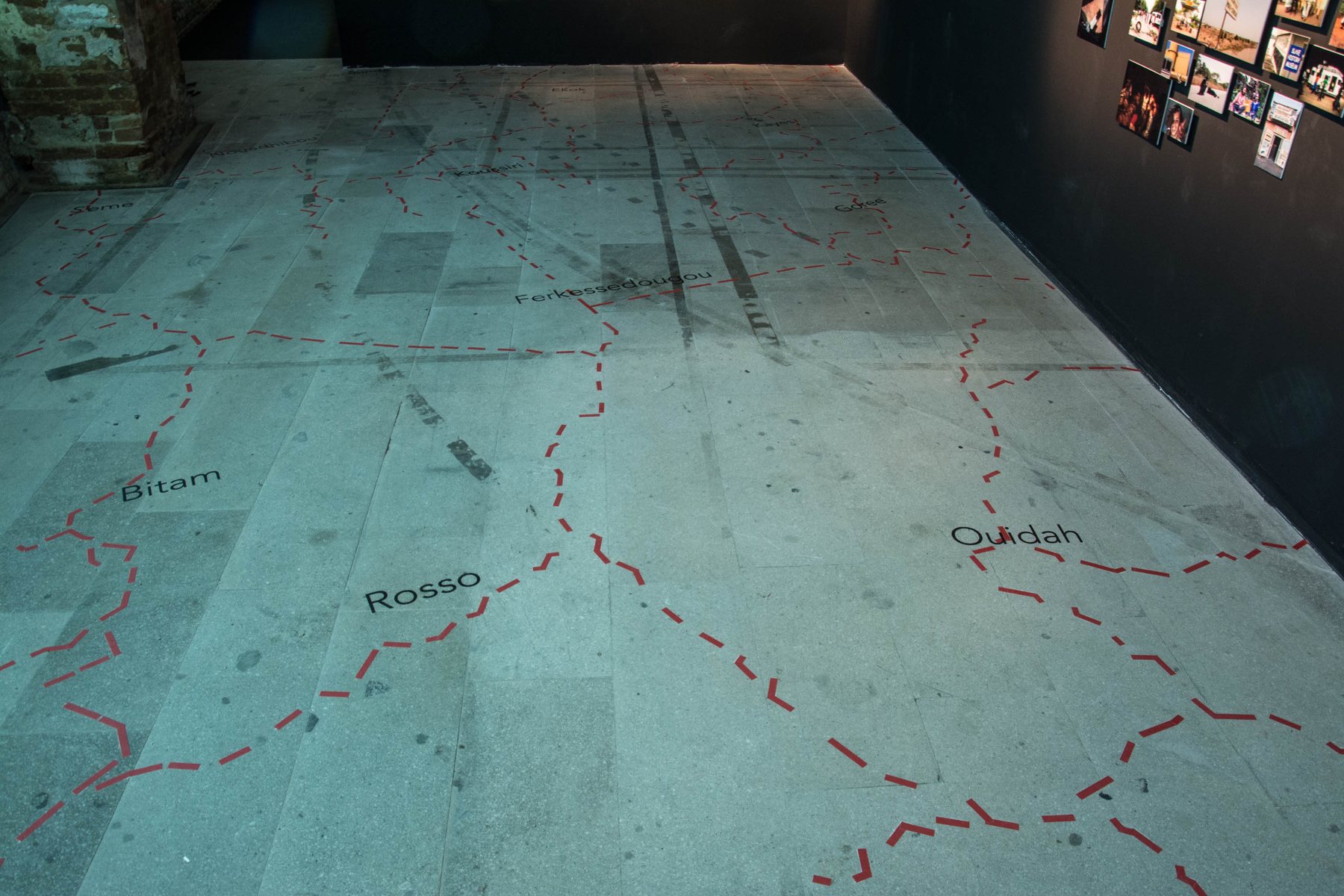
We develop and present exhibitions, installations and artistic projects emerging from the Road Trips and from wider collaborations. They take three forms, and the third matters as much as the first.
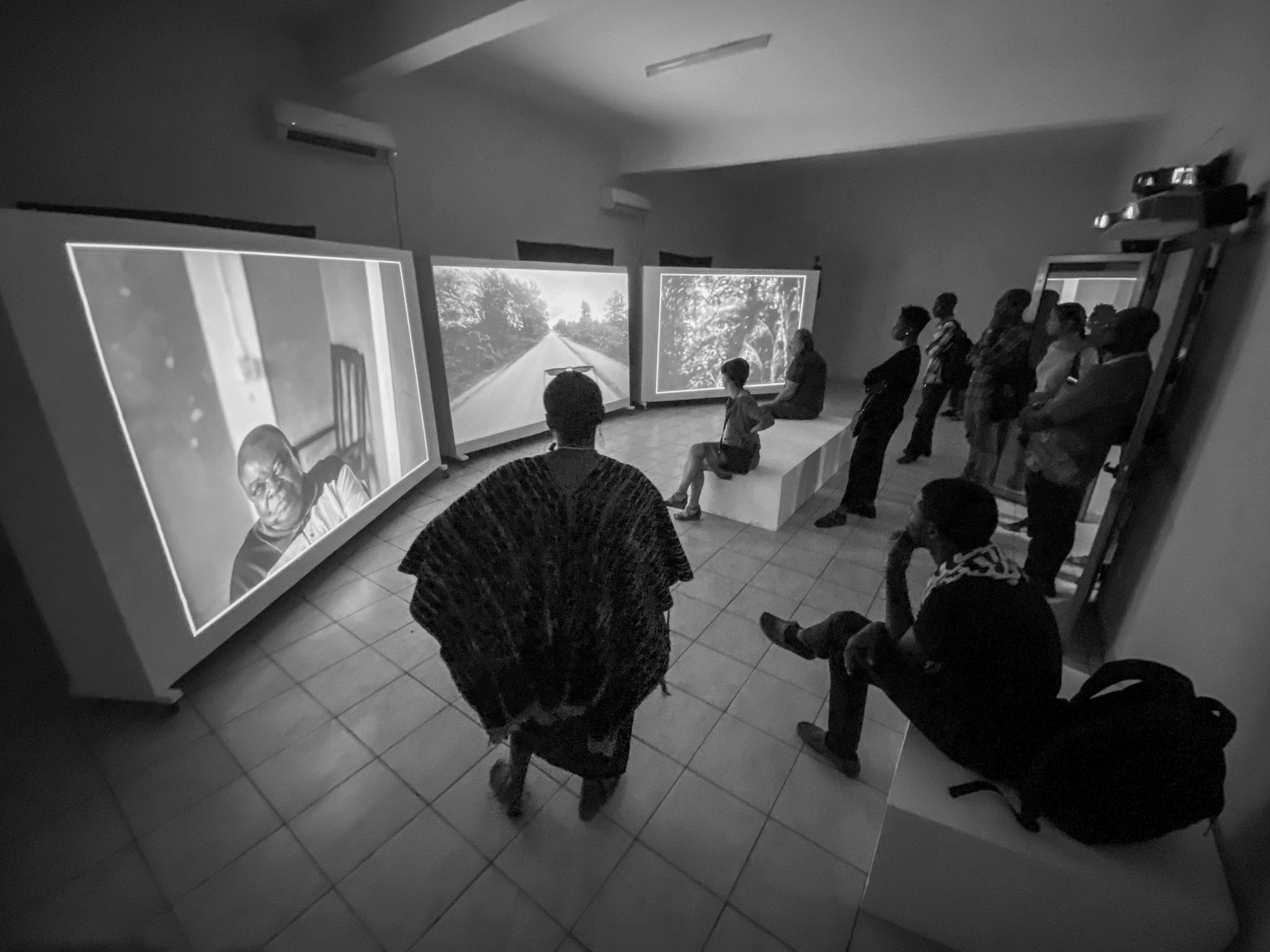
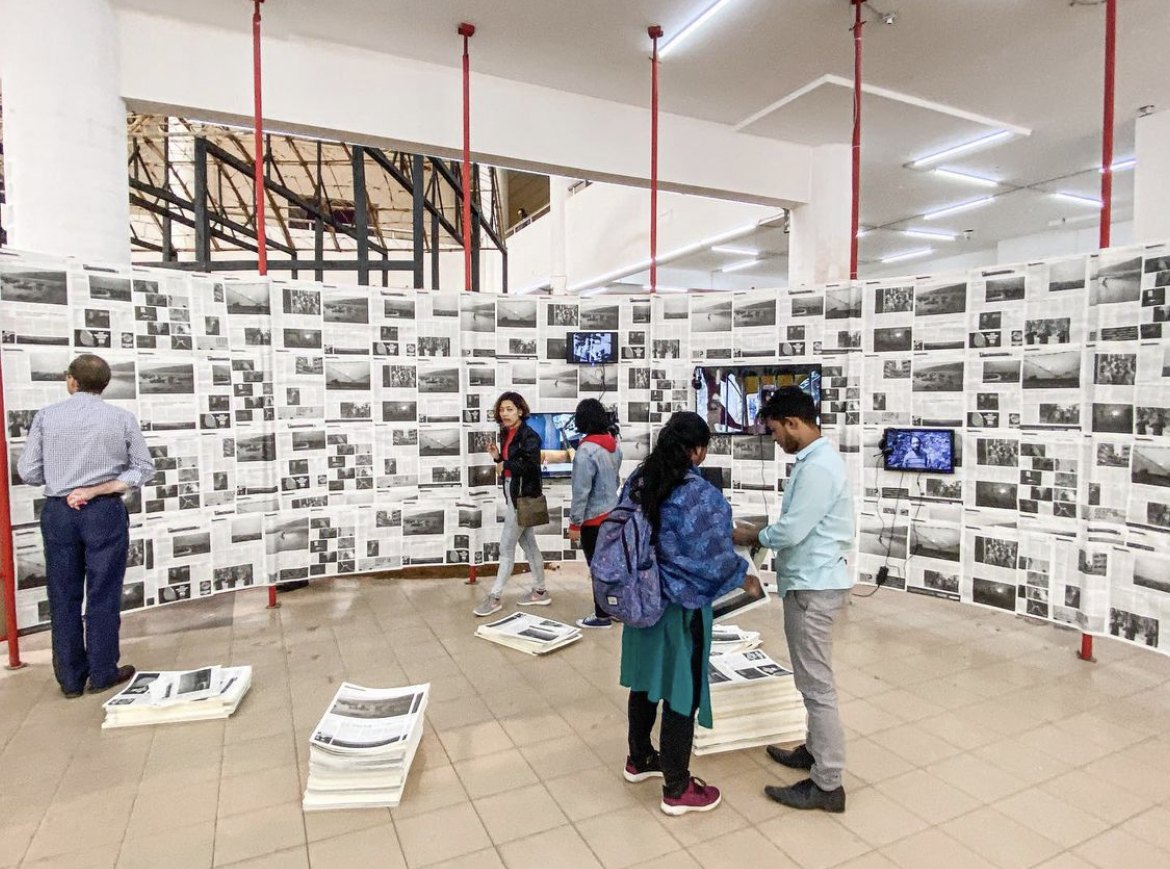
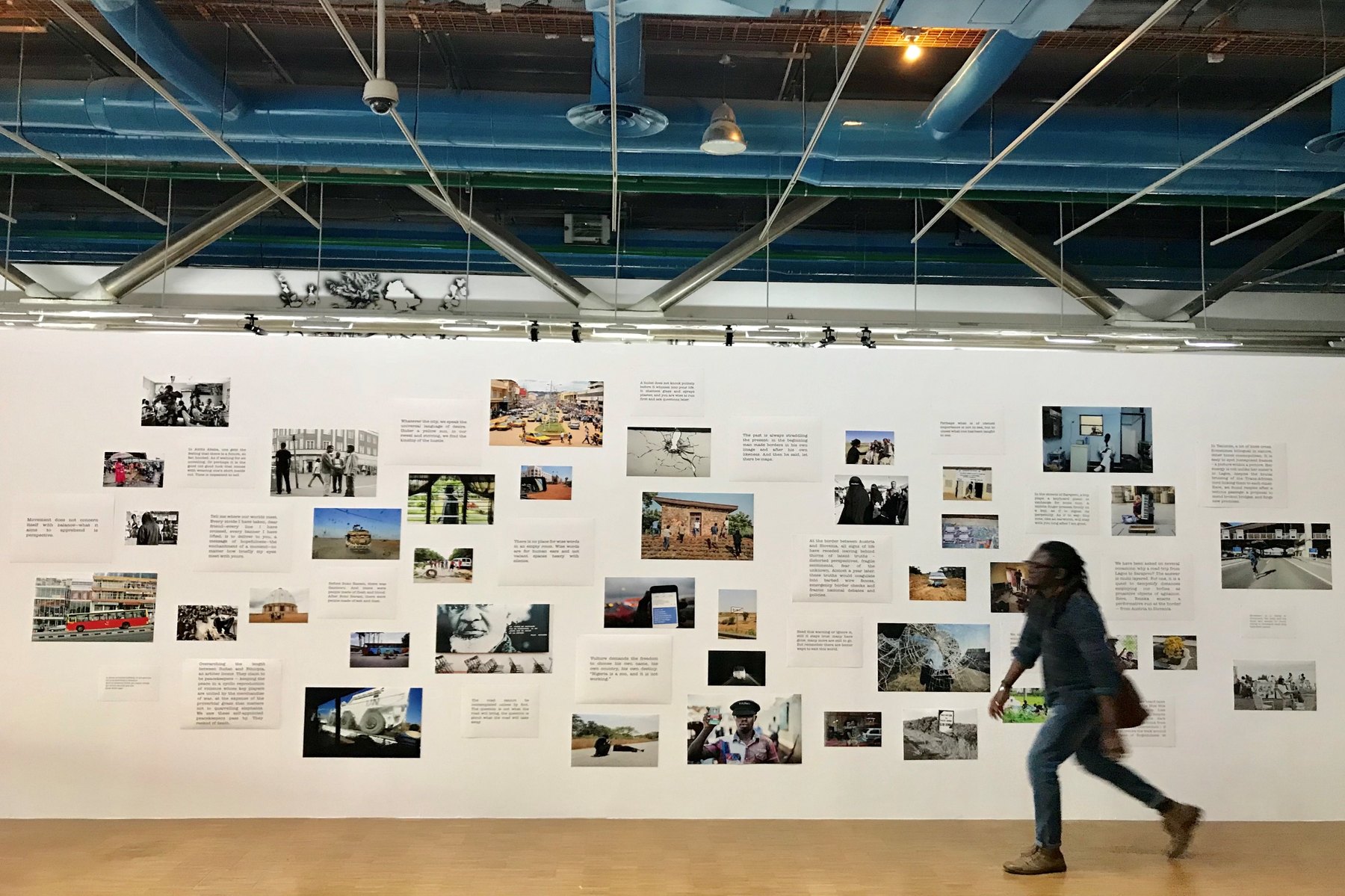
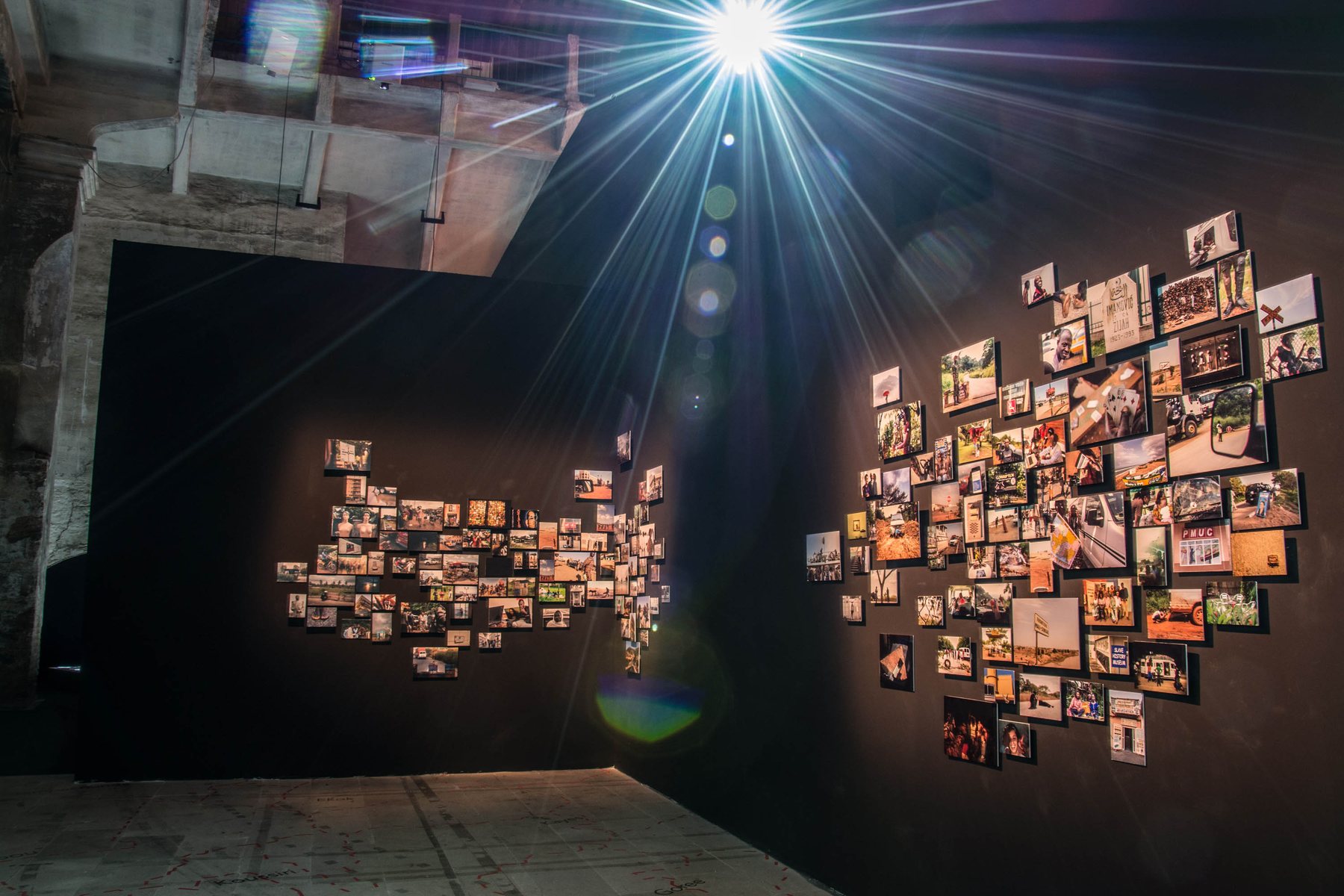
Institutional exhibitions place the work in museums, biennales and festivals — the 56th Venice Biennale, the Photography Museum Amsterdam, Centre Georges Pompidou, the Dhaka Art Summit, Bamako Encounters. These are most often multimedia installations rather than framed prints: projection, sound, text, and printed matter a visitor can pick up and carry away.
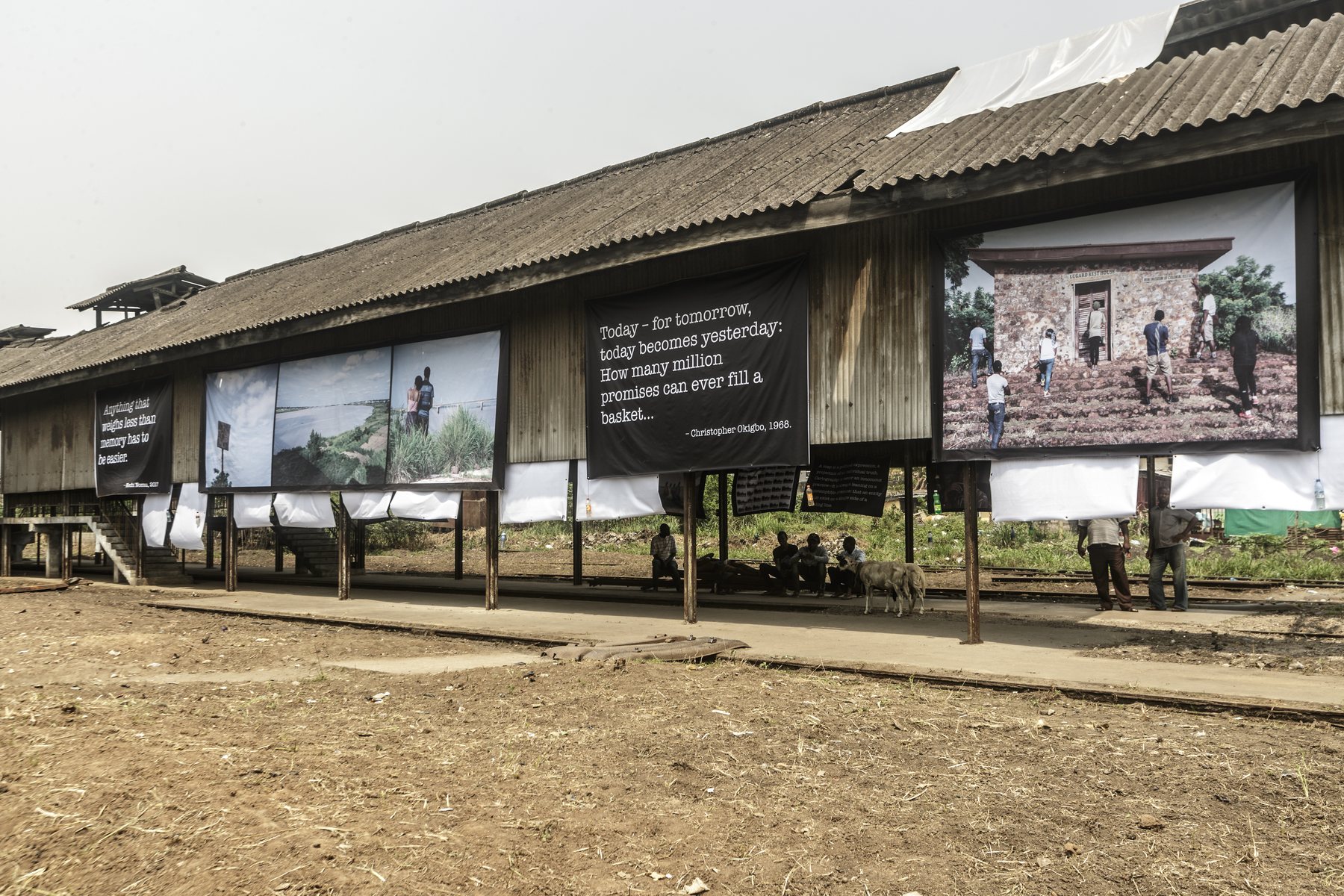
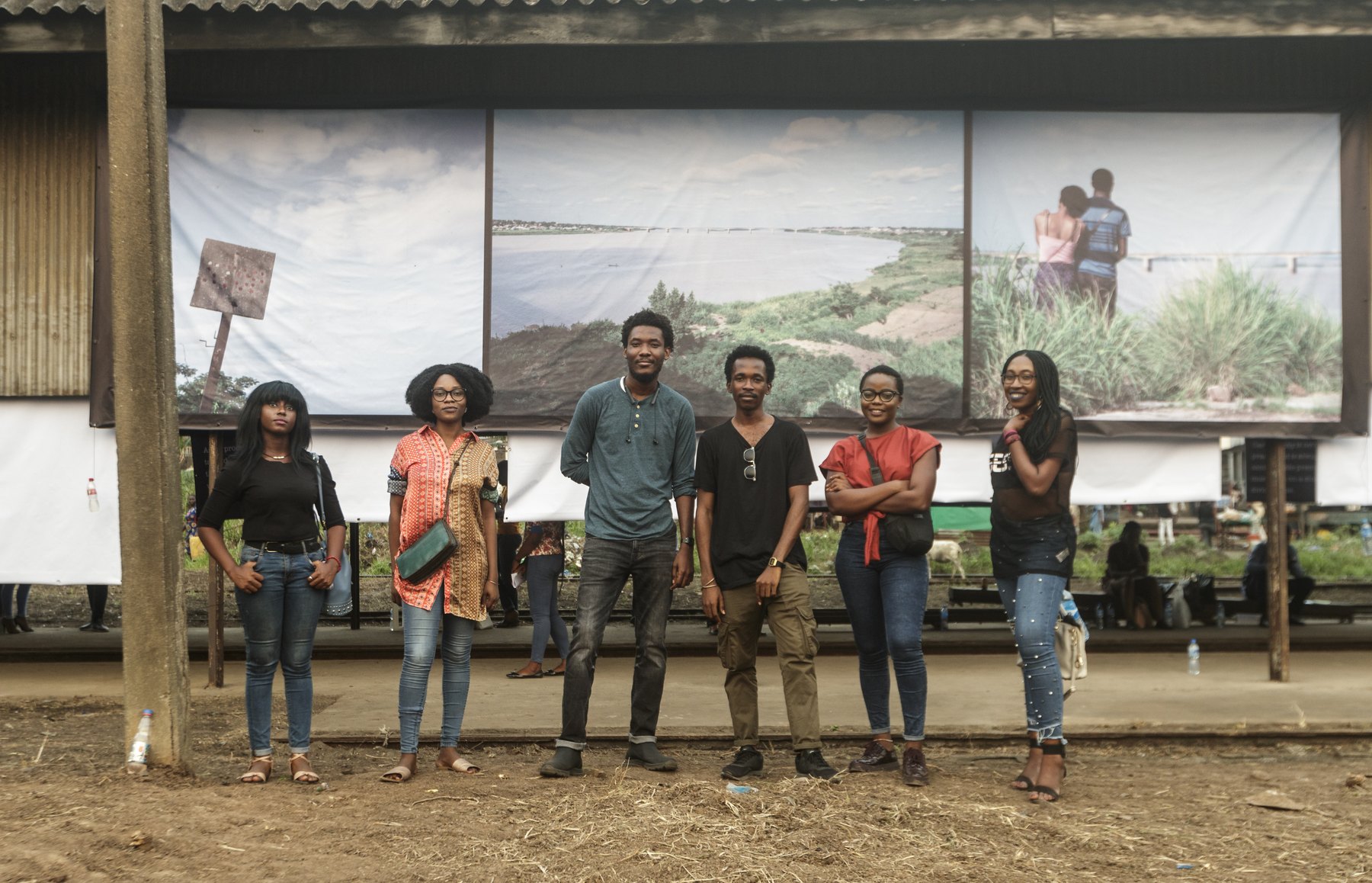
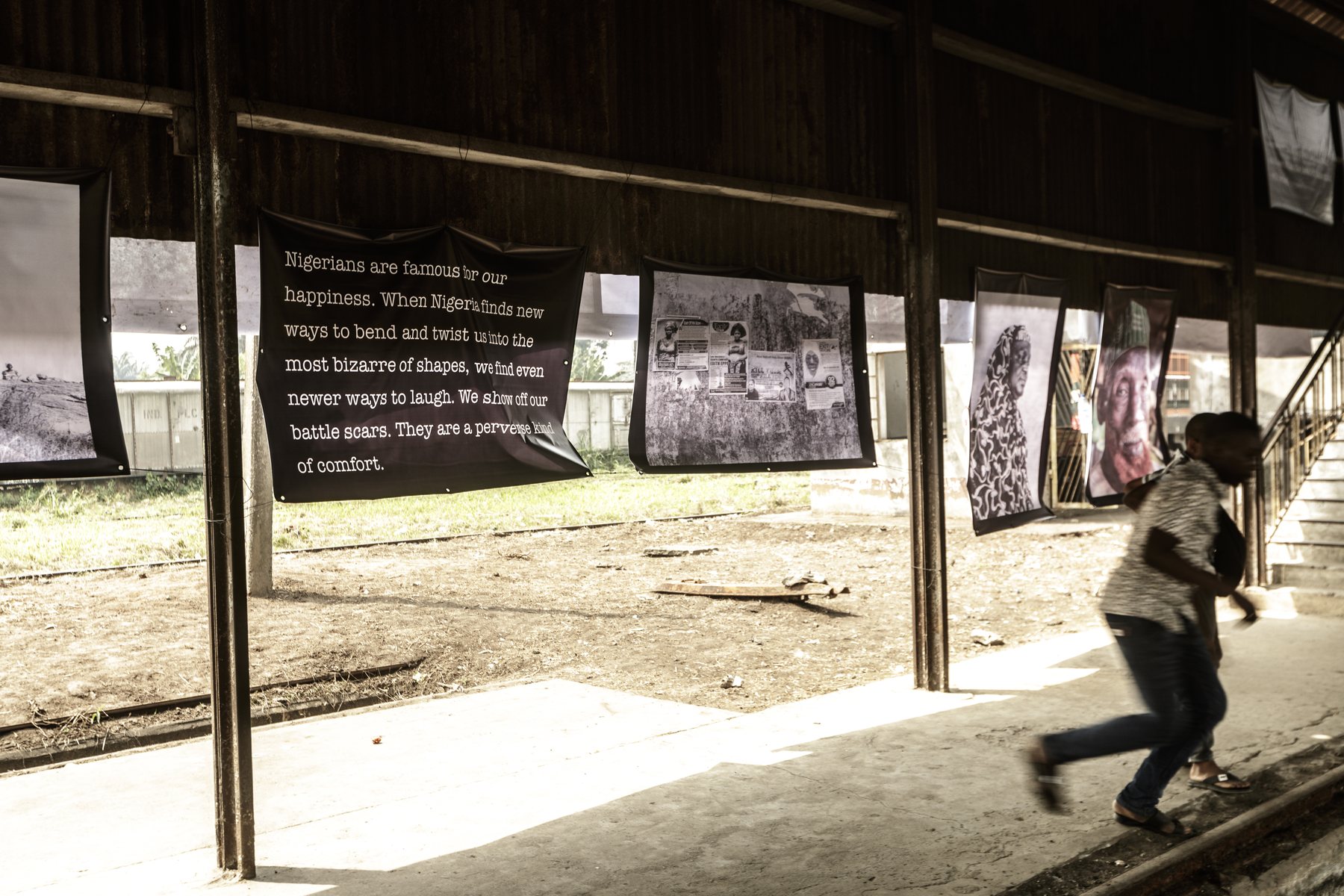
Public space exhibitions and site-specific interventions go back to the inception of the Road Trip in 2009. We have explored myriad formats of engaging the populace in places where artistic and intellectual works are hardly conversed. In Lagos we repurposed an abandoned part of the Railway — a relic of colonial times — into a space of multimedia installation carrying works from the Borders Within: Nigeria Road Trips of 2016 and 2017, opening a dialogue about what makes a nation.
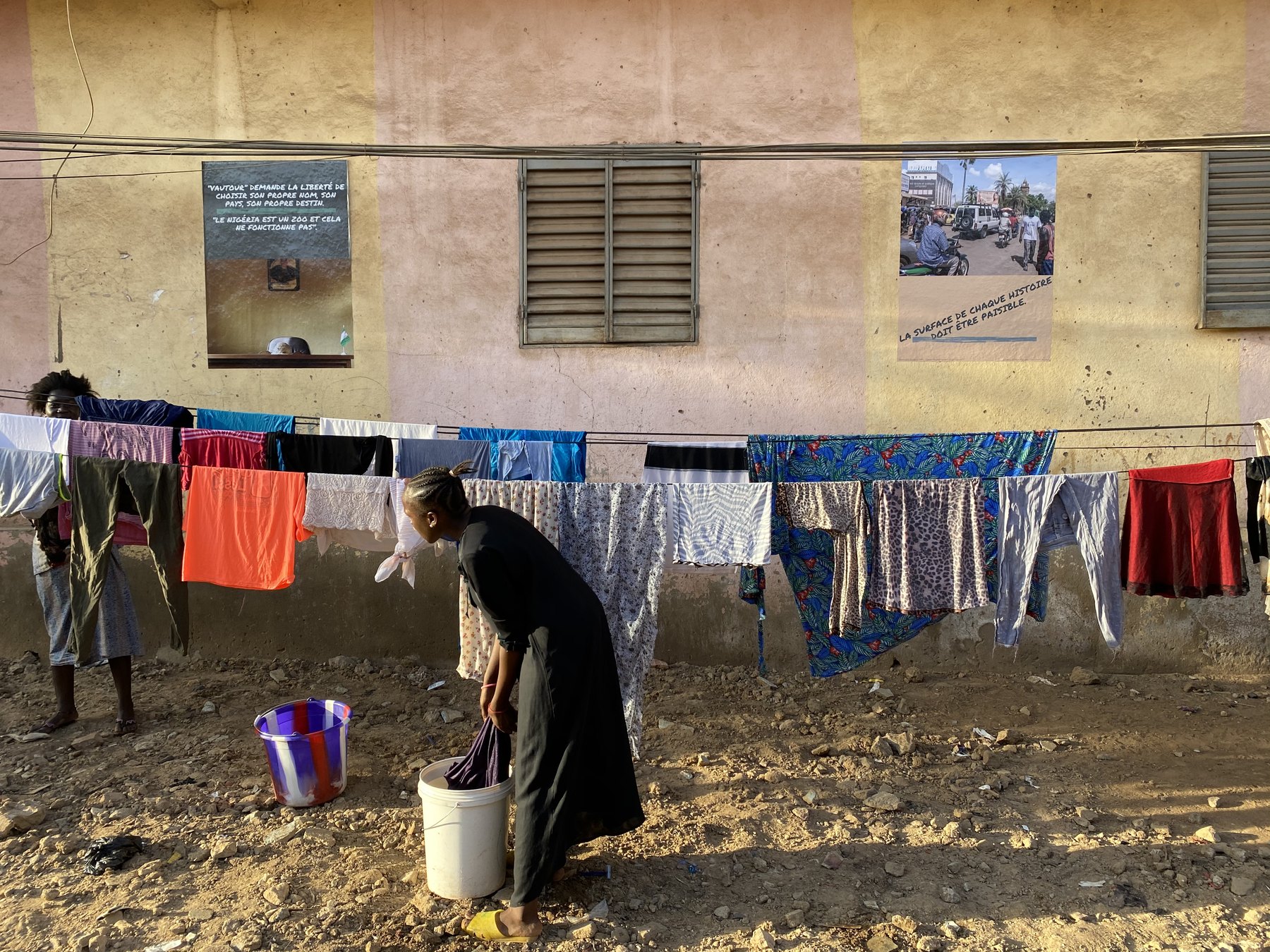
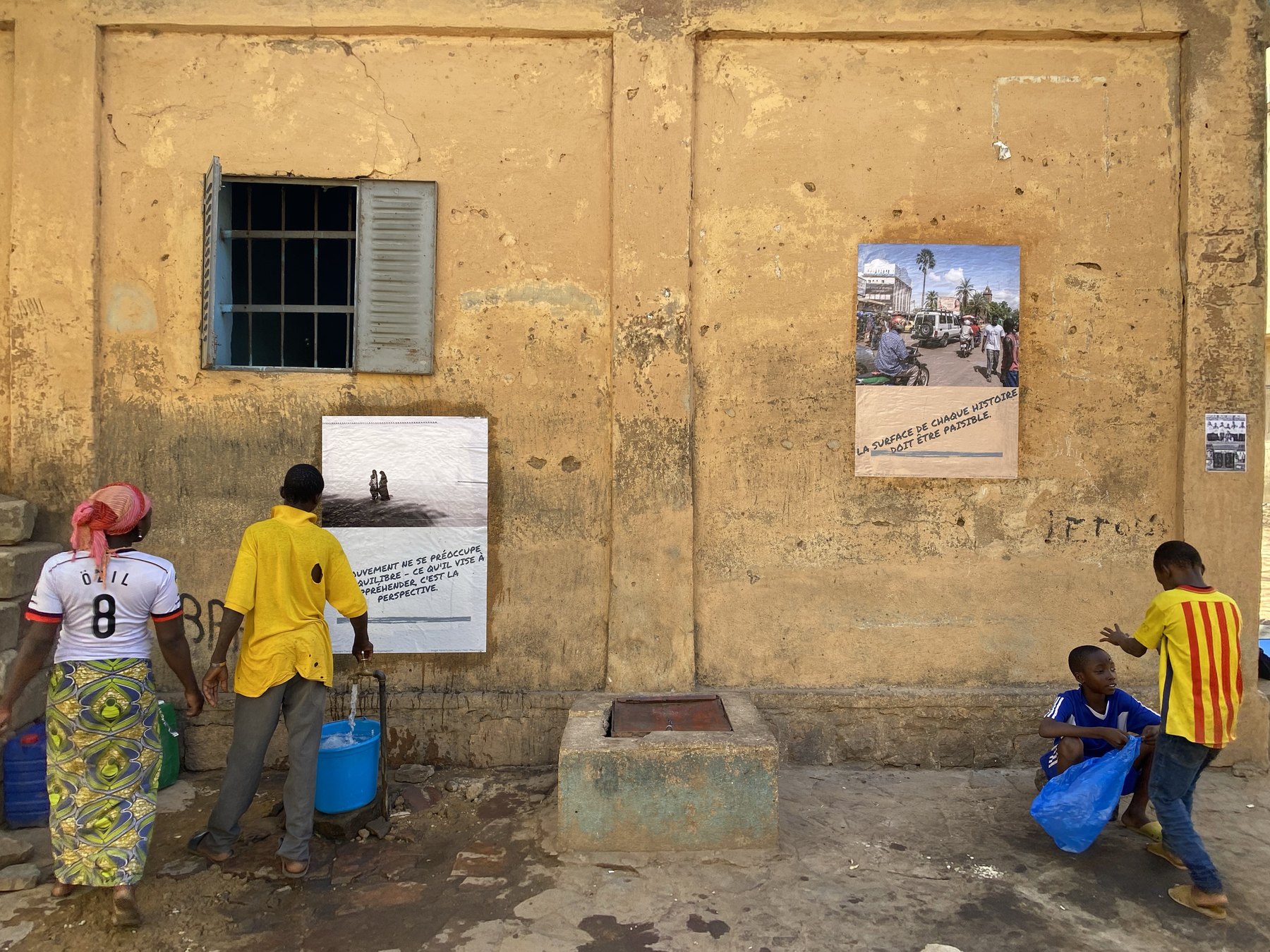
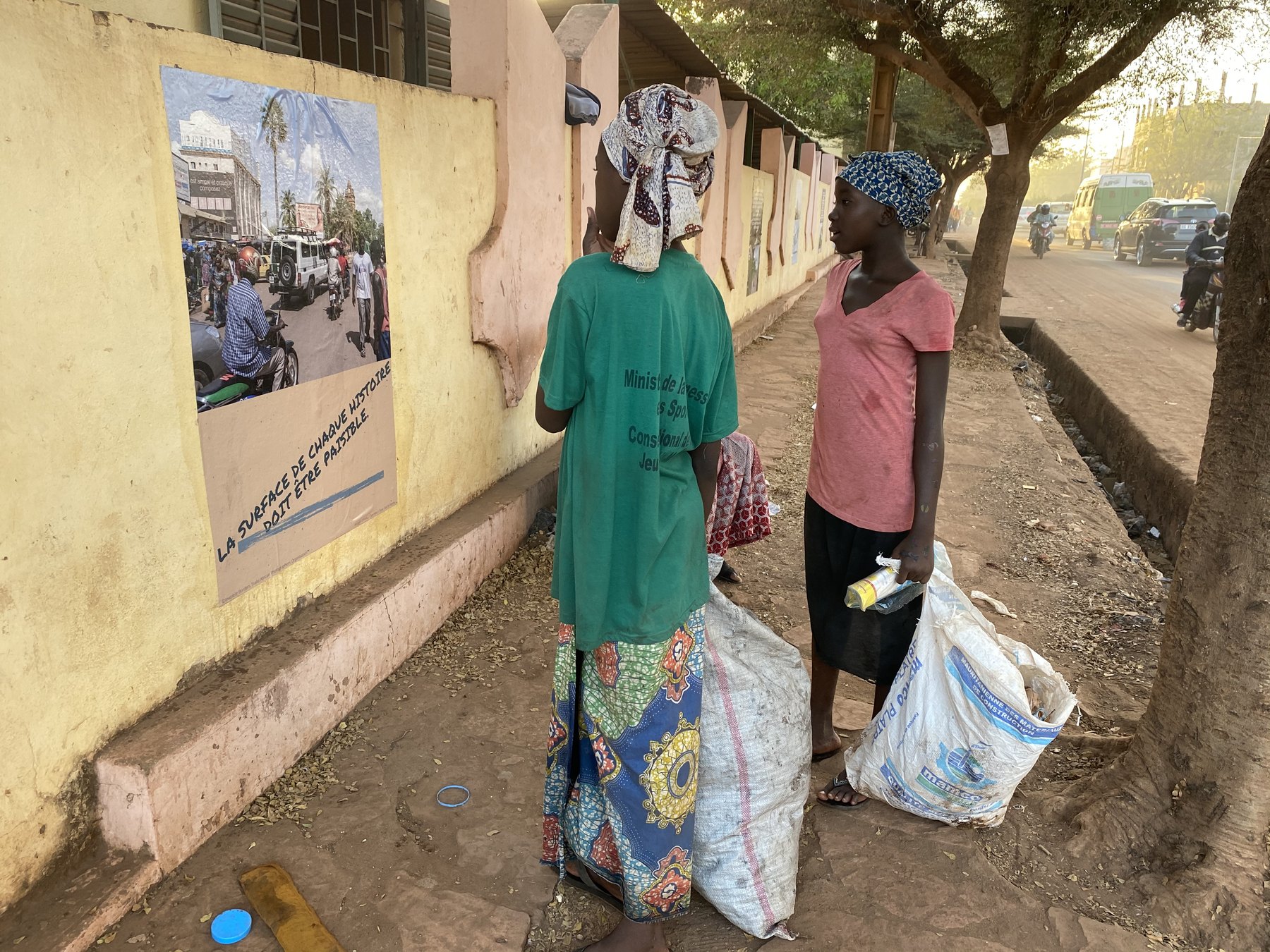
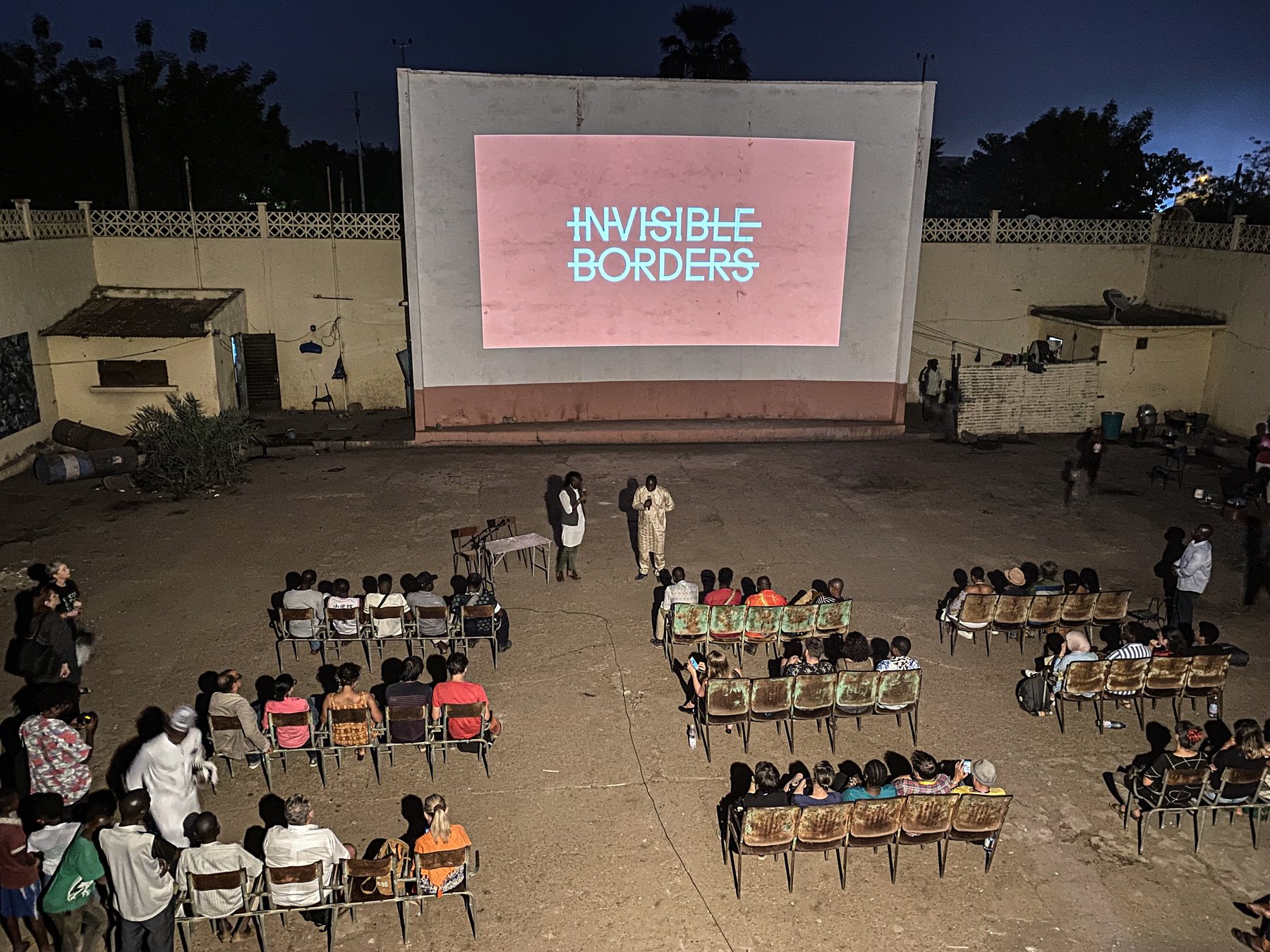
And grassroots presentations bring the work to where people already are. In Bamako in 2019 we pasted it up as posters on the street — each one a photograph and a line of text in French — so that it stood beside the standpipe where water is fetched and along the wall schoolchildren pass every morning. An open-air cinema in a courtyard, a screen with chairs set out in front of it, an exhibition left open to the street it stood on. These are the presentations that reach the everyday person, and they carry the same weight here as the Biennale does.
Education and exchange
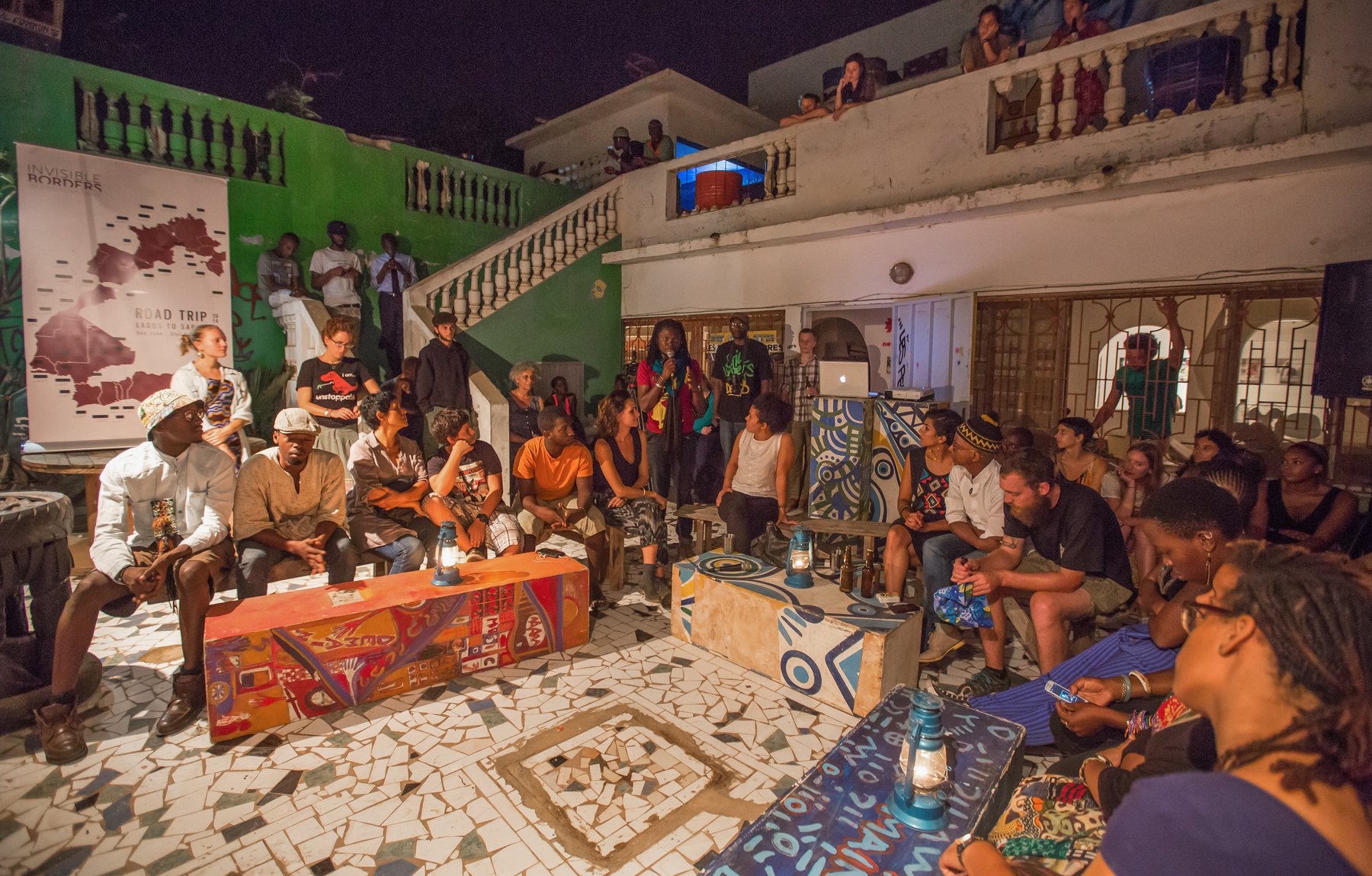
Workshops, mentorships, masterclasses, conversations and collaborative programmes are integral to our practice.
We bring together experienced and emerging practitioners to learn from one another, develop their work and exchange knowledge across disciplines and locations. Learning is approached as a reciprocal process shaped by the experiences and contexts of everyone involved.

Publishing
We publish photography, essays, visual essays, field notes, podcasts, films and other forms of artistic and critical work.
The Invisible Borders Journal provides a dedicated platform for selected and commissioned research, reflection and multimedia publishing. It allows ideas generated through our projects — and relevant work developed beyond them — to circulate among wider audiences.
Research and archive
Research runs through all aspects of Invisible Borders. It informs how we develop projects, approach places, work with artists and understand the materials accumulated since the project began.
The Moving Archive brings photographs, films, writings, documents and other traces of the project into renewed relation with the present. It is not only a record of past activity, but a resource for continued research, learning and artistic interpretation.
How the work connects
Not separate
from one another.
Journeys generate experiences, questions and artistic material. Research deepens and contextualises them. Workshops and educational programmes create spaces for exchange. Publications allow ideas and works to circulate. Exhibitions bring them into public encounter. The archive preserves and reactivates them for future inquiry.
Together, these forms make Invisible Borders a sustained platform for artistic production, collective learning and cultural exchange across borders.
Invisible Borders today
Rooted in Africa,
Trans-African in scope.
A multidisciplinary artistic, educational and research platform, operating at the meeting point of artistic practice, cultural exchange and civic engagement.
Across more than 30 countries, our projects and activities have engaged over 190 artists, alongside students, young people, cultural workers, local organisations and wider publics.
The impact of this work extends beyond the production and presentation of art. Our programmes create opportunities for learning, professional development, mentorship and cross-cultural exchange. They bring people from different backgrounds into direct encounter, strengthen relationships between artists and communities, and make artistic and cultural experiences accessible to people beyond conventional art spaces.
Through sustained partnerships and locally grounded activities, Invisible Borders continues to support creative practice while contributing to a more connected and socially engaged cultural landscape.
We continue to develop projects through movement, presence, encounter and collaboration — creating conditions in which artists and publics can meet across inherited divisions, produce new knowledge and imagine different ways of relating to one another.
2009
Founded in Nigeria
10
Road Trips completed
30+
Countries crossed or connected
190+
Artists engaged
Flagship project: Invisible Borders Trans-African Road Trip
Where to
go from here.
Explore our Legacy View Institutional Profile Enter the Journal Work with Invisible Borders